
Every athlete plays the “What if?” game.
It’s one thing to ask “What if I won that game?” But it’s another thing to ask “What if I didn’t let fear hold me back?”
I remember when I first did this when I was 8 years old playing hockey. I was in the dressing room, putting on my Stoney Creek Stars jersey, while my coach was creating a list of players who wanted to play goalie.
Growing up a Leafs fan, I adored Curtis Joseph and Felix Potvin. I always wanted to play goalie and I wanted to put my name forward.
But I was scared. So I said I didn’t want to. What if I decided to play goalie?
Looking back at it, I let fear hold me back from doing what I wanted.
The fear of losing.
The fear of not being as good as others.
The fear of embarrassing myself in the net.
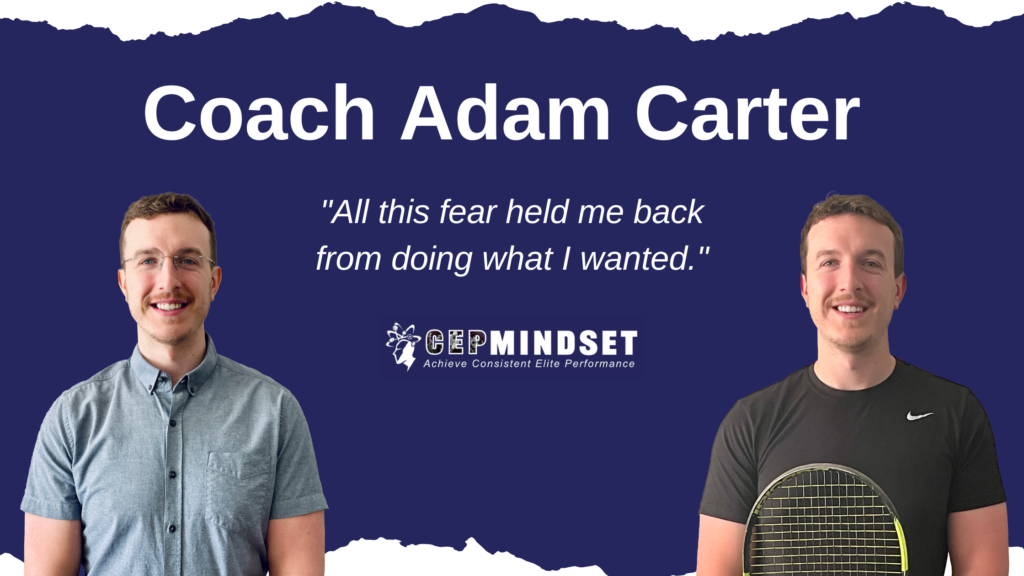
All this fear held me back from doing what I wanted.
This wasn’t the only time I let fear and doubt influence my action.
In high-school, I tried out for the football team and made it. Our coach told me that I would get to play on both sides of the ball – offence and defence. I was pumped.
But I broke my hand, missed most of the season, and sat on the sidelines for all practices and games. Before I knew it, fear and doubt crept back into my head.
Having been out for so long I lost my confidence to make plays and I was no longer aggressive on the field. For the rest of my high-school years, I didn’t play again, because I was scared of getting re-injured.
It was another situation that I envisioned myself enjoying and thriving in, but I let fear hold me back and I never pulled the trigger on playing again.
Situations like these quickly became a pattern. And patterns quickly become habits.
I felt deja-vu from my experience in high-school when I went to try out for the Canadian Bobsleigh Program. I was coming off another major injury (torn pectoral muscle), and felt fear creeping in that I wouldn’t be able to perform at my best.
I went to the tryouts, but never actually tried out – I sat on the sidelines, refusing to pull the trigger and jump in. I used my injury as an excuse to cover up my lack of confidence, and lost out on another opportunity that I look back on and think, what could have been if I didn’t let fear hold me back?
It wasn’t until I transitioned to tennis that I experienced a shift in my mindset.
There was no longer room for fear. In team sports, I hid behind others or used injuries as an excuse. Now I had nobody to hide behind, and no injury to use as an excuse.
Fear stood in front of me, and I had no choice but to attack it.
There was one pivotal moment that changed everything for me. I had been taking tennis lessons, and playing great, but still struggling during matches. Even though I took risks and ‘went for it’ in practice, I couldn’t fully transition that mindset to a match – fear was holding me back.
Fortunately, my coach and I worked on a system where we kept track of how aggressive I was playing. The result of the match was no longer my main focus, and, in fact, he said to me:
“I give you permission to lose. You have to learn to accept losing. Taking risks doesn’t always work out, but it’s in those losses where you get comfortable taking the risks. Eventually, those risks will pay off, and you’ll be hitting your goals.”
It was like a huge weight was lifted off my shoulder – and he was right. I took more risks. I made more mistakes. I learned a lot. And eventually, those mistakes dwindled. I kept learning.
For the first time, the relationship between mistakes and growth had formed.
The ‘old me’ didn’t want to take risks, because I might screw up and lose the match. The ‘new me’ embraced mistakes, because it gave me another opportunity to reflect and grow.
Everything from that moment on felt so much easier.
I finally started to play without fear and, consequently, started performing to my full capabilities. Getting to this state consistently brought me back to the fun and enjoyment in sports again.
At this time, my interest in Mental Performance Coaching had really grown. I connected with CEP Mindset and started to develop my alter-ego, a solid reset routine, and a thorough reflection process. These fundamental skills allowed me to continue to play competitively, push myself to another level, and be able to achieve consistent elite performance.
And now, my passion is to teach athletes the same lessons I learned. I believe sports is an amazing vehicle for people to grow. The mental skills that help us stay focused, make great shots on the tennis court, and bounce back from an injury are the same skills that help us succeed in all areas of life.
 Nicholas Santino is a Senior High-Performance Coach, PhD Candidate, and the official Mental Performance Consultant for Elite Prospects. From his specialized psychology research program, to his PhD studies, Nicholas has gained a tremendous foundation of knowledge and appreciation for the human experience. His passion for psychology has accumulated to a commitment to studying and applying positive psychology and stoicism. This commitment has led Nicholas to conduct many research studies focusing on understanding why and how some people thrive and prosper while others do not. His admiration for evidence-based solutions has propelled Nicholas to produce studies revolving around mindfulness, grit (perseverance and passion), performance, quality participation, social relationships, and well-being.
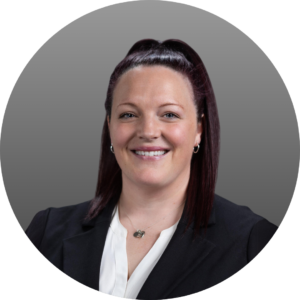 A Native of Quebec, Sara was part of the St. Lawrence University Women’s Ice Hockey team that competed in the NCAA Division 1 hockey league ECAC. During this time, Sara helped her team appear in four ECAC Hockey Tournaments and two NCAA Frozen Fours, and was a four-time member of the ECAC Hockey All-Academic Squad. Following her career at St. Lawrence University, Sara played one year of professional hockey with Lugano, where she truly honed her skills in understanding the intricate connection between mindset and performance.
 Blair has over 13 years of experience as a Professional Dancer, Assistant Dance Captain & Cast Manager, as well as an additional 17 years of training. Over the last 3 decades, she has lived and experienced first hand the highest of highs & lowest of lows that come with pursuing a career in the Performing Arts.

 Natasha Habert draws from her training in sport and performance psychology, personal experiences as a competitive athlete, and deep passion for consistent high performance. She is a lifelong athlete and high performer, excelling in volleyball as both a player and coach.
 Luciano’s hockey career is highlighted by his time playing college at the University of Victoria and two professional seasons in Europe. Throughout his career, he struggled with performance anxiety, a lack of consistency, fluctuations in confidence, and being caught in the results trap. This eventually led him to deviate from the main reason why anyone should play sports – for the enjoyment of the game. As a former athlete, Luciano has a unique understanding of the psychological pressures and struggles that athletes experience.
 Alexis Woloschuk is a name synonymous with mental fortitude in the world of professional hockey. Throughout her career originating playing boys hockey, going to an academy away from home, playing her four years at Boston University and 7+ years in pro hockey she’s learned the importance of resilience, confidence, and dismissing both fear and other’s opinions. With a blend of relatability, confidence, and an acute understanding of playing to one’s potential, Alexis helps athletes reshape the way they perceive and harness the power of their minds.
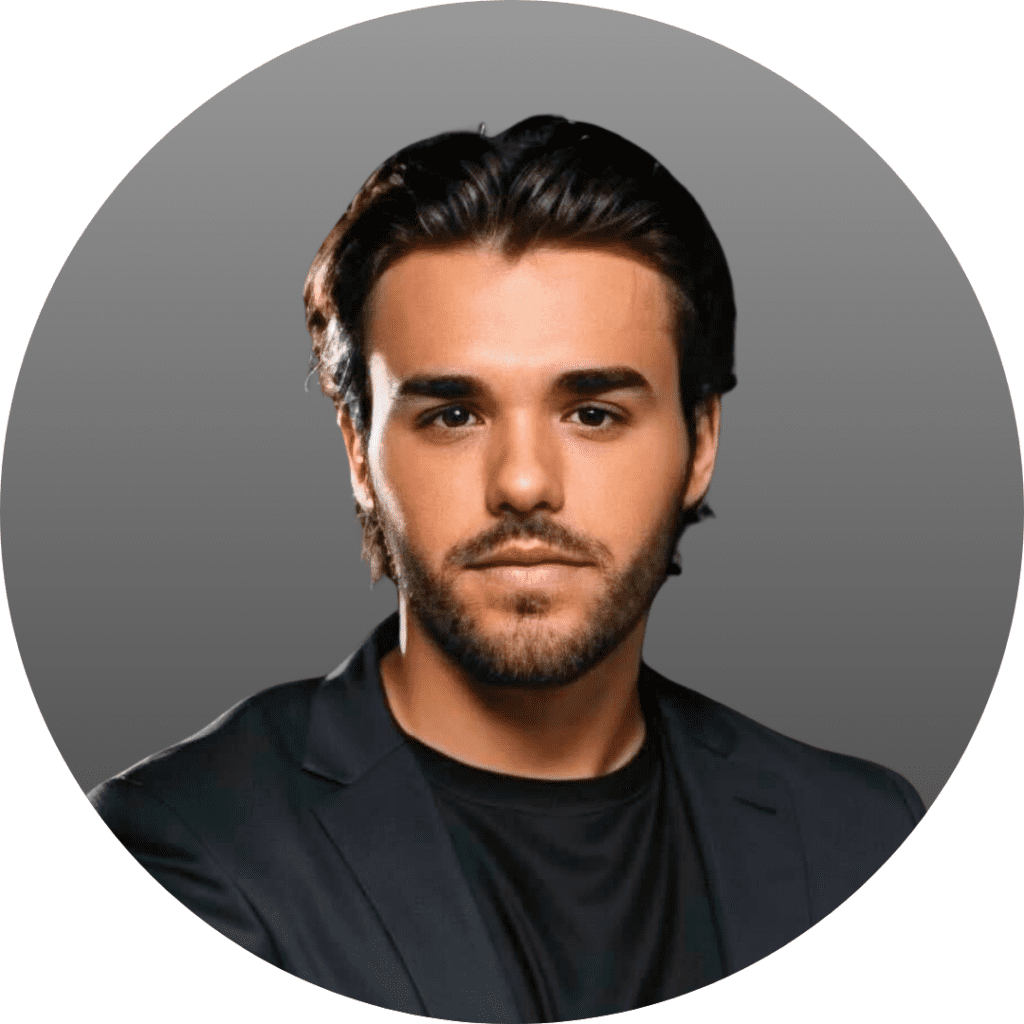 Sean Mahoney is a member of the Association for Applied Sport Psychology (AASP), and a Master’s candidate in the Sport and Performance Psychology program at the University of Denver. For as long as he can remember, Sean has been fascinated by human performance and how to gain an edge over the competition. For most of his athletic career, he focused on the physical aspect of performance but neglected the mental. Because of this, he struggled with performance anxiety, focus issues, and limiting beliefs pertaining to confidence and self-doubt. His lack of focus on optimizing his mental game prevented him from reaching his full potential.
 Savannah Fitzgerald is earning her M.A. in Kinesiology, Sport Psychology Option at California State University, Fresno. Possessing an internal motor that fires her rage for success, Savannah forged this attribute over five years while competing as an NCAA D-I water polo player and swimmer. Combined with her opportunity to represent and compete for the United States, she feels that sport has significantly impacted her professional development. Due to her personal experience playing at all levels, Savannah’s passion for mental performance began when she struggled to overcome pre-competition nerves and post-competition processing. When she discovered a world out there that people were referring to as ‘sport psychology,’ she felt like a piece of her brain was unlocked. Reality shifted as she stumbled into a space consisting of the most beautiful blend of elite performance, mental well-being, and athletics.
 Gabe is currently completing his Master’s in Counselling Psychology at the University of Victoria. Although Gabe played several years of high-level baseball, including a stint in the British Columbia Premier Baseball League (BCPBL), he chose hockey as his sport to pursue at the highest level possible. Gabe went on to play four years of junior hockey with the Richmond Sockeyes in the Pacific Junior Hockey League (PJHL) while also coaching minor hockey. Prior to junior hockey, Gabe played 3 years in the Canadian Sport School Hockey League (CSSHL) where he experienced the pressures and expectations of moving on to the next level. During those three years, Gabe constantly compared himself to others and struggled with coping when things did not go his way. Over time, he learned how to focus on his own process and path to the next level, while also developing strategies to improve well-being.
 Louie is a mental performance coach from Toronto, Canada with a professional hockey career spanning over 14 years. Being a standout player at the University of Michigan, Louie was a Hobey Baker finalist and a 1st team All-American, which led him to getting drafted by the Ottawa Senators and playing in renowned leagues across the globe, including the DEL, SHL, and AHL.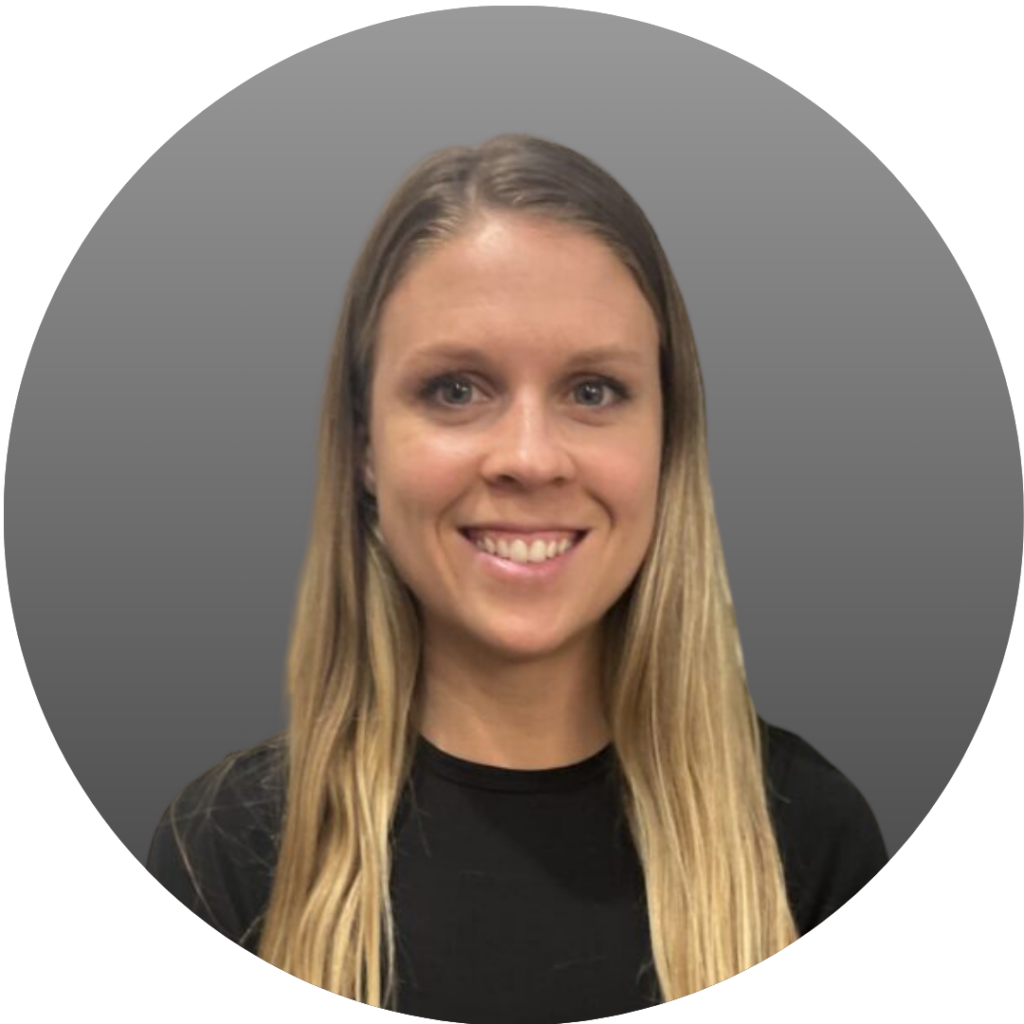
 Mia Landry is a former varsity hockey player at Brock University, where she competed at the USPORT level and was part of the 2021-22 OUA gold medal team. Mia currently represents Canada on the Women’s National Ball Hockey team and is pursuing a Master of Kinesiology Sport Psychology at her alma mater. Her research focuses on areas such as team cohesion, group dynamics, leadership styles, and sports culture.
 As a former member of McMaster University’s women’s soccer team, Emilie intimately understands the demands and challenges athletes face on and off the field. Although she encountered many challenges as a high-level athlete, particularly struggling with self-doubt and overthinking, Emilie was able to make a remarkable transformation when she began to embrace the principles of sports psychology.
 Max is currently attending William James College, where he is earning a Doctorate Degree in Clinical Psychology and a Masters Degree in Professional Psychology. During his time as an undergraduate student, Max was inducted into the International Honor Society in Psychology (Psi Chi), and played on the Quinnipiac University men’s club ice hockey team.