
“Head down. Grind. Don’t talk about feelings.”
That was Darnell Nurse’s mindset for nearly a decade in the NHL — a tough, no-nonsense approach that helped him succeed at the highest level.
But near the end of the 2023-24 season, we started working together on his mental game — and that sparked a whole new level in his performance.
He’s quieted the noise, tuned out distractions, and dialed down the inner chatter. In its place: greater clarity, consistency, and a renewed sense of joy in the game.
At our recent Game Changer event, Nurse joined me onstage to share his journey working on his mental game — offering an honest, behind-the-scenes look at how he’s transformed his mindset.
Here are the top 3 insights from Nurse’s journey into the mental game:
1. The Mental Game Was The Missing Piece
For nearly a decade in the NHL, Nurse operated with intensity and work ethic — but without a mental performance toolkit. Like many athletes raised in old-school sports culture, the message was clear: head down, grind, don’t talk about feelings.
“There was no working on this… you kind of just shut up and play.”
That worked — to a point. But eventually, he felt stagnant. With his physical preparation, nutrition, and routines dialed in, it became clear the edge he was missing wasn’t on the ice — it was in his head.
Recognizing the role of mindset at the highest level was a turning point. In his words, “The difference between being okay, being good, and being great a lot of times just comes down to the mental side of it.”
It wasn’t about grinding more — it was about thinking differently.
2. Journaling and Emotional Honesty Were Game-Changers
For a player known for his strength and toughness, opening up emotionally was a foreign — and uncomfortable — concept. But Nurse dove in, beginning with something simple: journaling.
“Writing down how I feel was foreign… but it was a big first step.”
He started tracking his thoughts, emotions, and habits on paper. What began as awkward became foundational. Nurse learned to name his nerves before playoff games, something he never would have admitted in his early years.
This emotional honesty didn’t make him weaker — it made him sharper, calmer, and more grounded.
“I’d say I feel good, but really I’m like, ‘God, I’m nervous.’”
By acknowledging what was real, he could work through it — not pretend it didn’t exist.
It’s like turning on the lights in a dark room — you can see where you’re going, and the fear fades.
3. Forcing Things Backfires
As Nurse refined his mental routines — meditation, visualization, journaling — he learned an important truth: mindset work can’t be forced. Trying to over-control your thoughts or cling to a routine too tightly only adds pressure.
“Every time I try to force my routine or the way I’m thinking… it backfires. Never works.”
Instead, he learned to stay flexible and present. He set his intentions, then just let go and let it happen. The point wasn’t perfection — it was awareness and adaptability.
This mindset shift helped him stay steady through playoff pressure, high expectations, and the ever-changing rhythm of an NHL season.
The Takeaway
Darnell Nurse’s evolution is a reminder that the mental game isn’t soft — it’s essential. Behind every strong play is a calm, focused mind. Behind every bounce back is emotional awareness. And behind every elite performance is a commitment to doing the inner work, even when it’s uncomfortable.
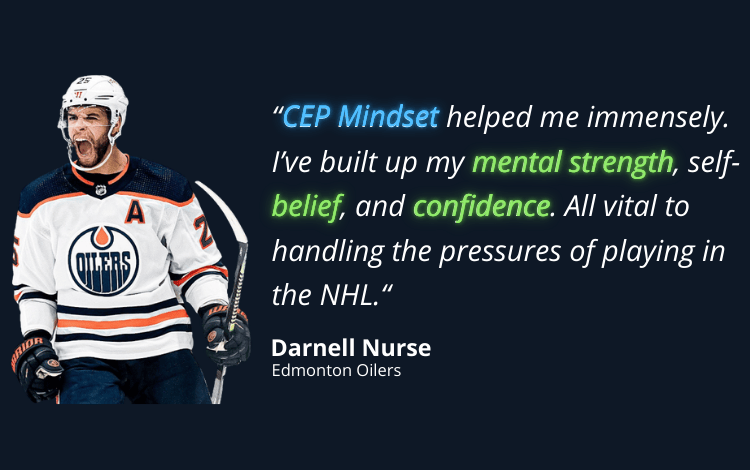
As he highlights in the quote below — this work was key to finding a consistent level of confidence:
His story proves that toughness isn’t just about muscle — it’s about mastering your mind.
Want to learn how to build your own mental game? Take a page out of Nurse’s playbook:
- Reflect honestly
- Journal consistently
- Let go of control & don’t force it
- And, most importantly, be intentional on going from the inside-out.
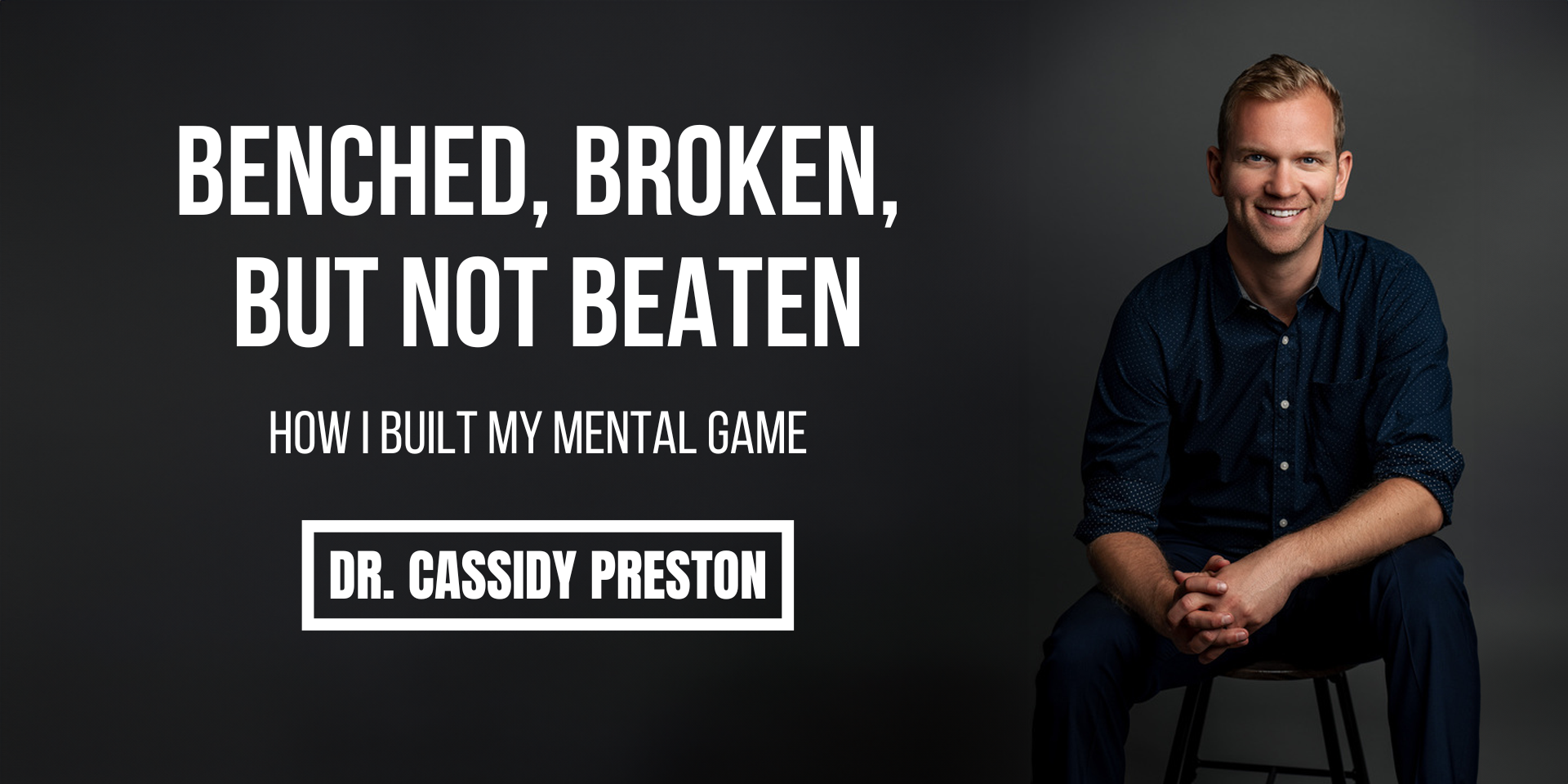
This blog was written by Coach Cassidy.

 Blair has over 13 years of experience as a Professional Dancer, Assistant Dance Captain & Cast Manager, as well as an additional 17 years of training. Over the last 3 decades, she has lived and experienced first hand the highest of highs & lowest of lows that come with pursuing a career in the Performing Arts.


 As a former member of McMaster University’s women’s soccer team, Emilie intimately understands the demands and challenges athletes face on and off the field. Although she encountered many challenges as a high-level athlete, particularly struggling with self-doubt and overthinking, Emilie was able to make a remarkable transformation when she began to embrace the principles of sports psychology.








 Danielle Hanus, MA
 Monica Russell, MA