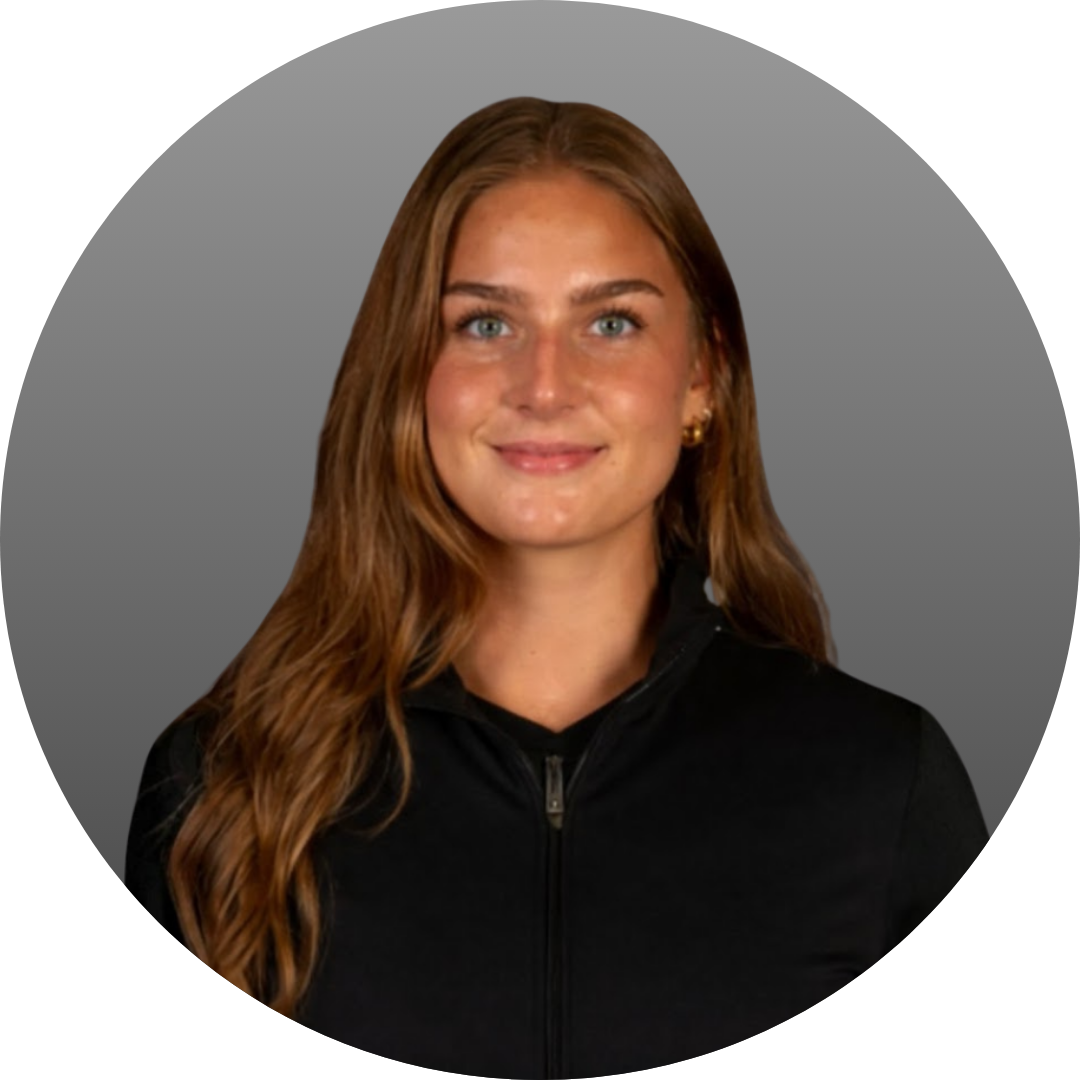
Gabriel Suessenbacher-Fu, MA
Registered Psychotherapist (Qualifying) & Mental Performance Coach
Bio Highlights:
- Graduate-level training in Counselling Psychology with focus on sport and performance.
- Competitive athletic background: four years of junior hockey with the Richmond Sockeyes (PJHL); BCPBL baseball,
- Coaching experience: Minor hockey coach with insight into athlete–coach dynamics.
- Three years in the CSSHL; developed resilience and strategies for managing pressure, expectations, and self-comparison.
- Integrates athletic experience with counselling psychology expertise to support athletes’ mental performance and well-being.
Education: MA., Counselling Psychology, University of Victoria
Core Clients: Hockey, Baseball, Soccer, Lacrosse, Basketball
Read Coach Gabriel’s Story Below

“You’ve been cut.”
Every athlete goes through their career hoping that they never have to hear those words, but here I was. My first year trying out for a BC Premier League baseball team, and a coach has sat me down to tell me that I would not play for a team that I had been giving everything to make.
The extra batting practice, bullpens, workouts, all for nothing.
For a while, I questioned everything. Was all the time I had spent on baseball worth it? Should I just focus on hockey?
As a 2-sport athlete, hockey felt like the answer. I had been working just as hard on the ice and figured if baseball wasn’t going to work out, I can focus my attention on my time at the rink.
I began to have hope on my perspectives of making a junior hockey team, to make up for a lost opportunity in baseball. I treated hockey like a second chance.
But hockey had its own way of teaching me that things don’t always work out the way you expect.
Focused on Others
I ended up making a junior hockey team. At that point, I thought the hard part was over. I thought everything would be smooth sailing from there.
Oh, was I wrong.
I quickly started comparing myself to everyone else on my team. There were a lot of players ahead of me in the depth chart. They were getting more ice time, getting powerplay and penalty kill time, and being trusted in key moments of the game.
Me on the other hand, I was getting the odd shift, maybe getting some ice time in the last 5 minutes of a period, but most of the time watching the game from the bench.
I understood that as a rookie on the team, I had to earn my way up. But, I kept on comparing myself to my teammates.
I started watching everything. The lineup card, the clock, who was going over the boards, who was on powerplay. I watched the players sitting beside me on the bench and wondered why they were getting opportunities that I wasn’t.
This not only impacted me mentally, but my physical ability began to suffer. I was so focused on what others were doing, I wasn’t taking time to work on my skills.
I started getting even less ice, the coach had less trust in me, I even spent some games in the stands as a scratch.
I was in a downward spiral with no way out.
Control the Controllables
During the holiday break, I had some time away from the rink to reflect on my season so far.
I was around my friends and family who were asking about my season. They asked me how I was playing, how much fun I was having, how excited I was for the second half of the season.
These are all questions I did not expect. In my head, I was thinking they would be asking about playing time, power player opportunities, if I was playing on the first line. But, all the people around me only cared about how I was enjoying the game, not the comparison I had with others.
As I was answering them, all I was thinking about was how I wasn’t getting playing time or getting more opportunities with the team. I had been so focused on others and the things that I couldn’t control, I had completely forgotten about reflecting on my own game and what I was able to control.
In fact, I forgot to love the game.
I remember having a conversation with my dad while watching the world junior hockey tournament on TV that winter. He asked me what my goals were for that season. I told him I wanted more goals, assists, playing time, powerplay time, all the things that every hockey player wants.
What he told me next has stuck with me for years.
“What are you going to do to make it happen?”
I paused and thought about his question and what he was asking me. I realized that he wasn’t asking me about the things that I couldn’t control, but the things that were in my control.
This is the moment where my mindset shifted.
I realized that I couldn’t decide how much ice time I was going to get. I couldn’t control which players were ahead of me on the depth chart. However, what I could control was how I responded. I could prepare, compete, listen to feedback, be a good teammate, work on my craft in practice, and ultimately make sure that I was ready when an opportunity came.
This revelation didn’t suddenly make me a top-line player. I still wanted more. But I started to understand that having more opportunities comes from development, and development doesn’t ONLY happen when you’re being rewarded.
From this, I started to not only perform better, I started to love the game again.
When I got back on the ice for the second half of the season, I had a whole new perspective on the game.
In my first game back, my ice time did not change one bit. If anything, I probably saw less ice than usual. In the past, I would’ve sulked and focused on how much ice time others were getting.
This time around, it was different. Instead, I thought about how I could make the most of the next shift and make an impact with limited playing time. After the game, instead of complaining about my ice time, I thought about ways I could get better in our next practice or off the ice.
By the end of the year, not only had my game improved, I started to gain the coaches’ trust and got to play some meaningful minutes, despite being one of the youngest players.
I ended up playing 4 years for that junior hockey team and loving every moment. As I developed with the team, I got more and more opportunities and because of focusing on what I could control, I was ready to take on any opportunity that was thrown at me.
The Best of Both Worlds
Looking back, I think baseball had already started teaching me the same lesson that hockey would later reinforce.
Getting cut in baseball forced me to confront a difficult question:
What do I do when the outcome isn’t in my control?
Baseball taught me how to respond when a door closed. Hockey taught me how to keep growing while waiting for another one to open. These lessons stayed with me long after I stopped playing and continue to shape the counsellor and mental performance coach I’ve become.
On paper, counselling and mental performance can look like different professions. But to me, they’re deeply connected. In both roles, I am actively listening, asking questions, building relationships, and helping someone move toward the person they want to become.
Similar to how I took lessons from both baseball and hockey, I can now take learnings from both counselling and mental performance and ultimately guide my work with athletes. Counselling taught me to slow down and listen. Mental performance has taught me how to turn that understanding into action.
For the longest time, I felt like I had to choose one path. But, sometimes, the best path isn’t choosing one over the other.
Sometimes, it’s learning to live in both.
You can learn more about Coach Gabe by clicking the video below:
 Blair has over 13 years of experience as a Professional Dancer, Assistant Dance Captain & Cast Manager, as well as an additional 17 years of training. Over the last 3 decades, she has lived and experienced first hand the highest of highs & lowest of lows that come with pursuing a career in the Performing Arts.

 As a former member of McMaster University’s women’s soccer team, Emilie intimately understands the demands and challenges athletes face on and off the field. Although she encountered many challenges as a high-level athlete, particularly struggling with self-doubt and overthinking, Emilie was able to make a remarkable transformation when she began to embrace the principles of sports psychology.







 Danielle Hanus, MA
 Monica Russell, MA