Growing up I was ticking all the boxes.
I played on provincial and national championship winning teams, Canada Cup, Canada Summer Games, an eventual athletic scholarship to Division 1 Junior College baseball…
I had the talent, but that momentum came to a screeching halt entering my junior year of university.
New school, new state, surrounded by studs – nothing was to come easy.
As the competition ratched up, so did the pressure I put on myself.
What was once fun and natural quickly started feeling like a job. The insecurities were piling up. For the first time it felt like I wasn’t “the guy.”
My confidence vanished. I could feel myself shrinking. Every groundball, every at-bat, every decision… I was trying not to screw it up.
I didn’t even recognize myself. I had rarely rode the pine my whole career.
But now playing time was no longer guaranteed and I got to the point of dreading looking at the lineup.
The disappointment was destroying me.
I didn’t reach out to my coaches, teammates or family. I wanted to make it appear that everything was ok. That I could handle it.
Although I was surrounded by teammates, I felt alone. And it stayed like that as I gritted my way through another year.
My Wake Up Call
After 4 years of NCAA baseball, undrafted and love of the game at an all time low, it was time to go home.
I went from hot and humid 35 degree days in Louisiana to 40 below in northern Alberta.
Within a matter of 6 months I had snow slicing across my face as I watched some of the biggest trucks in the world haul tar‑sand out of the frozen, Mad‑Max wasteland of the Fort McMurray pit mines.
I remember wondering “What am I doing here?”
But I snap out of it as I hear my name on the radio, “Northcott, need yah at the Centrifuge building.” As I walk down the multiple flights of stairs and cross the 200 metres of frozen ground I’m left longing for the sound of cleats walking on cement, the feel of my leather glove and the smell of freshly applied pine-tar.
Instead, I hear the crunchy snow beneath my boots as I rub my leather work gloves together for a bit of warmth.
These days, my jersey had been traded for coveralls, my cleats for steel‑toed boots, my cap for a hard hat — and my teammates were now a crew of hardened blue‑collar workers from every corner of Canada. Thirteen hour days, living in camps for weeks at a time.
Looking back, this is exactly what I needed.
I needed lived experience to recognize that I had had it good. Over time, I was able to accept that my baseball dream had not gone the way that I wanted. But in letting that go, I finally made space for something else — the shift back toward finding my way to baseball again.
The Opportunity to Play
My time wearing a hard-hat fueled my aspirations of playing ball in Europe. I connected with a team abroad, and eventually secured a spot in 2014.
My first stint started off in Bulgaria where I played for the Sofia Blues.
Their star player, Mitko – who played in a top league in Germany the year before – would be the man who changed my approach to baseball. Sitting together after one of our first practices, he told me what it was like growing up in Sofia, the struggle and true sacrifices his family had made to give him a chance to play in Germany. His dad, the team’s longtime coach, had recently passed, and Mitko, his brother, and the rest of the guys had made it their mission to honour him by carrying on his legacy and winning the Bulgarian championship.
I bought in. I was a part of something. Something much bigger than me.
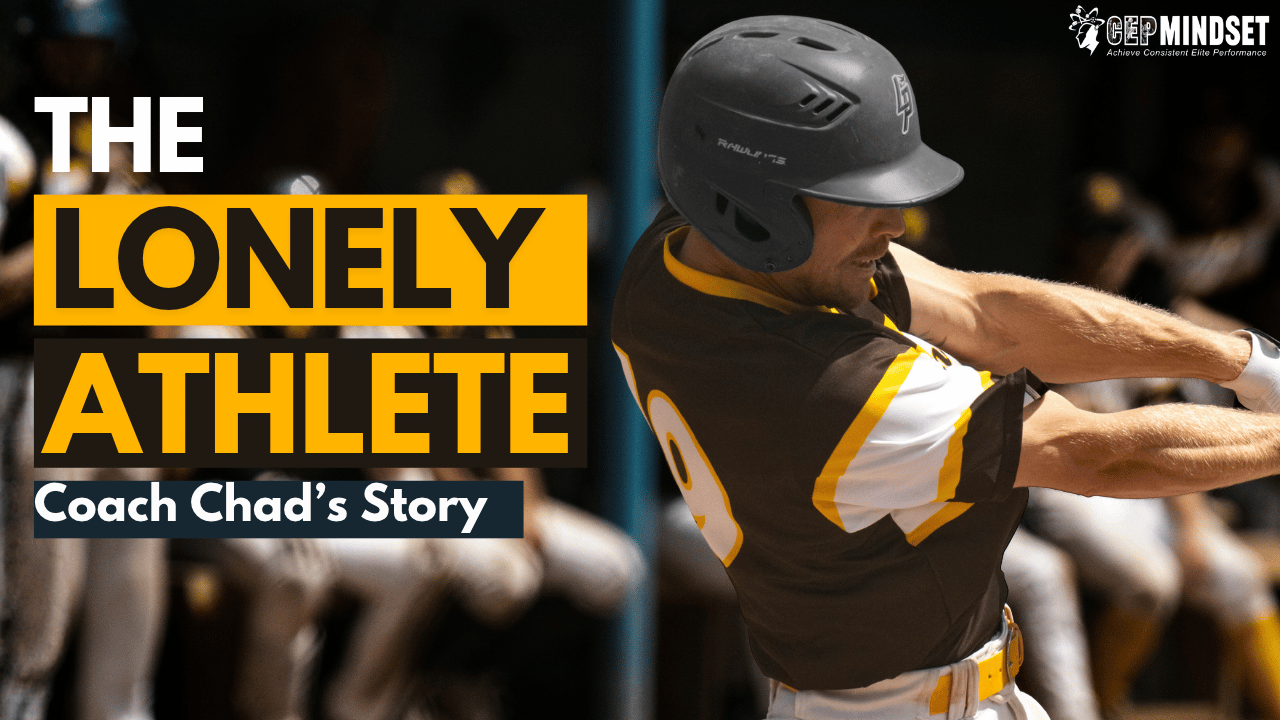
No longer the lonely athlete.
As the season kicked off it was clear: these guys showed up because they loved the game. Taking such immense pride in having the opportunity to play baseball.
Opportunity… It would hit me hard.
I had lost sight of what a gift baseball had been for me. How much I had taken for granted. All the sacrifices made on my behalf.
I started to appreciate what I had right in front of me: A once in a lifetime opportunity to play baseball on a different continent.
I was back. Playing carefree. Like the boy in the backyard calling his shot playing whiffle ball with his brother. The immense pressure I once felt seemed so incredibly distant.
We laughed, joked and razzed each other incessantly. On game days, unfamiliar with their rivalries, their intensity became my intensity. It was infectious and we quickly became a team.
We ended up winning the Bulgarian Championship that year, a first for the Blues. A year later I joined them in Athens, Greece for the European Championship, and again in 2019 for the European Championship in Moscow, Russia. My passion for baseball continued as I made my way to Melbourne, Australia, where I played another season.
I remember thinking, “how did I ever lose the love of sport?”
Pressure? For what… I love this game. My perspective mirrored that of my childhood. I realized I could both play with intensity yet also with a lightness. Not taking myself so seriously.
Only a few months later I was enrolled back in school. Continuing to sharpen my mental toolkit while integrating the many experiences I am grateful for. I had to fall out of love with baseball and experience life in order to understand what it had given me.
These experiences are why I coach the mental side of the game.
A New Perspective
I want to give aspiring athletes a new way to navigate their game — one where they get out of their own way and tap into their true capabilities. A way to break free from the mental cage that holds them back.
It’s a path where athletes learn to welcome challenges, understand what it truly means to be a teammate, find genuine enjoyment in their sport, and develop the life skills that athletics teach better than anything else. All while competing with intensity, purpose, and a high standard of excellence.
This is about unlocking who you can be when you play free — trusting your training, releasing the noise, and letting your best self lead the way.
This blog was written by Coach Chad.
 Blair has over 13 years of experience as a Professional Dancer, Assistant Dance Captain & Cast Manager, as well as an additional 17 years of training. Over the last 3 decades, she has lived and experienced first hand the highest of highs & lowest of lows that come with pursuing a career in the Performing Arts.


 As a former member of McMaster University’s women’s soccer team, Emilie intimately understands the demands and challenges athletes face on and off the field. Although she encountered many challenges as a high-level athlete, particularly struggling with self-doubt and overthinking, Emilie was able to make a remarkable transformation when she began to embrace the principles of sports psychology.







 Danielle Hanus, MA
 Monica Russell, MA