Every athlete you look up to, follow, or admire most likely has a story they have never told.
You hear the stories about the championship, the medals, the wins, or even the signing day.
They seem happy and confident, as if they arrived there in a gold chariot.
But we don’t hear about the days they questioned whether to quit, doubted themselves, or faced doubt from others.
That creates a false image of what it takes to be successful.
Since we have begun recording these stories, one thing is clear:
The moments most athletes try to hide or resist are the ones that would help someone else most.
That was the idea behind Mindset Stories Podcast – to normalize vulnerability and create connection through stories.
When someone shares those hard moments, the listener hears something they rarely get told: you’re not the only one.
The Stories Behind The Highlight Reels
Watch any high-level athlete, like an Olympian, and you’ll see them at their best.
Almost perfect routines, personal bests, world records, and tears of joy on the podium.
You won’t see the injury that almost ended it, the season they sat in the stands, or the voice in their head telling them they aren’t good enough.
Not many podcasts care about that; it’s not sexy and especially hard to talk about. We knew we wanted to give people a safe space to share those moments.
Mindset Stories is a podcast about the human side of performance, the side you don’t see and tend to forget exists.
Every episode, we sit down with an athlete or coach and skip past the highlights. We talk about the hard parts, because athletes are humans first; they struggle with school, relationships, and life at home, not just in sports.
It’s Not Easy, But It Is Worth It
It didn’t feel fair or right to ask guests to be vulnerable if we weren’t willing to do it ourselves.
So before we launched, we recorded our own stories.
It was just the two of us, close friends who support and care for each other, and it was still nerve-racking and scary.
That nervous feeling is the same one that keeps athletes quiet in the locker room, with their coaches or even their parents.
But that’s exactly why sharing matters so much. Every time one person goes first, it gets easier for the next person to say “me too.”
We set our mics up an hour early. Tested the sound, tested the recording, and made sure our backgrounds were perfect. What should have taken 10 min was dragged on and on.
Then we just sat there.
“We asked athletes to do this every day,” Luc said, and now we are scared to hit the record button.”
We went silent. We looked at each other, then down again, half-smiling, then back up again. Over and over. Each of us waiting for the other one to be the one.
Deep breath.
“It’s gonna be fine,” Sara said, “it’s you and me, like always.”
Twenty minutes went by. Still not recording, we waited for the moment we felt ready.
It never came.
“This is exactly why we are doing this.”
Then we hit record.
The first 10 minutes were shaky. We fumbled our words, laughed, and jumped around in our stories.
But the more we shared, the deeper we were willing to go.
That is what we wanted this podcast to bring out in people – comfort in sharing difficult things, and people willing to listen and empathize.
Through these stories and vulnerable moments, we build connections, and people can learn from each other.
Start talking, start sharing, take that first step as we did!
Normalize The Struggles
Many guests will text us after the recording something like, “ I haven’t thought about myself as a person in a long time.”
Vulnerability and courage to share that part of you is the hardest thing we ask our guests to do, but you don’t necessarily need a microphone or a platform to do that.
Tell a teammate about something you’re struggling with.
There’s a good chance they’re carrying or have carried the same thing.
Not feeling alone in your struggle can normalize it and show that even when things aren’t going well, like in most of our guest stories, that feeling won’t last forever and can be turned around, especially if you are willing to be vulnerable with others.
Be the one who goes first, and watch the impact it can have on you and others.
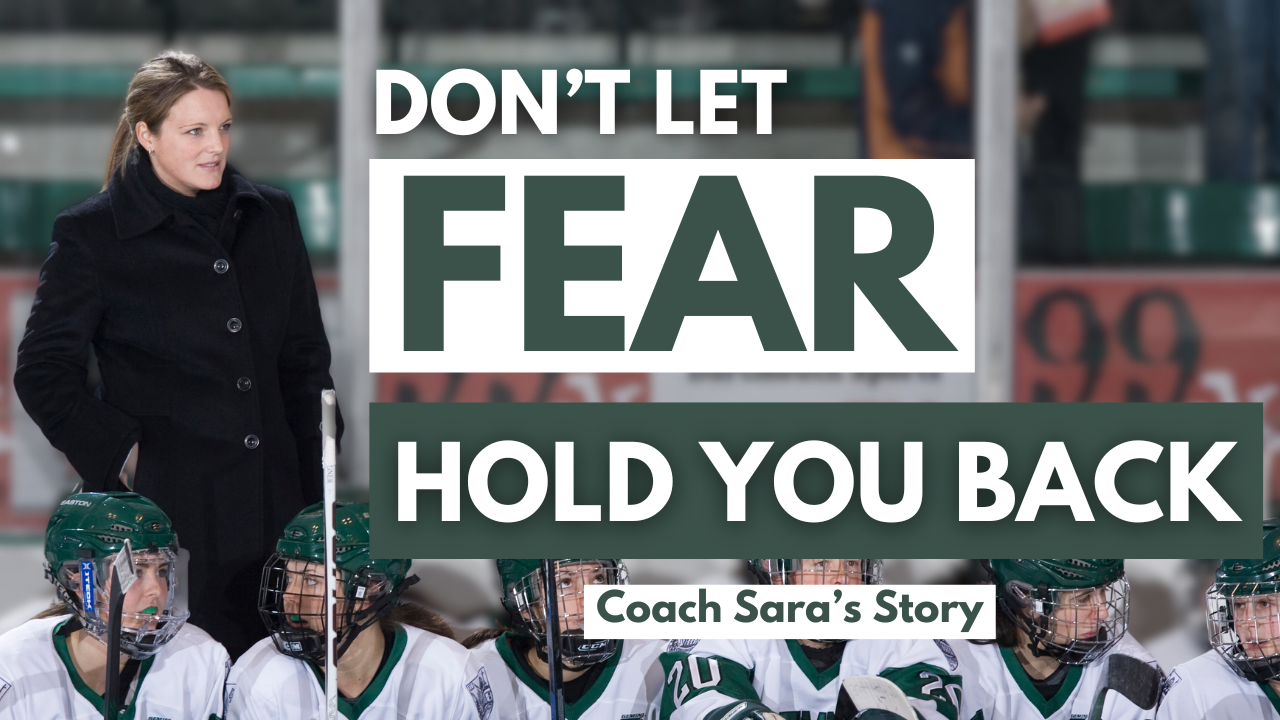
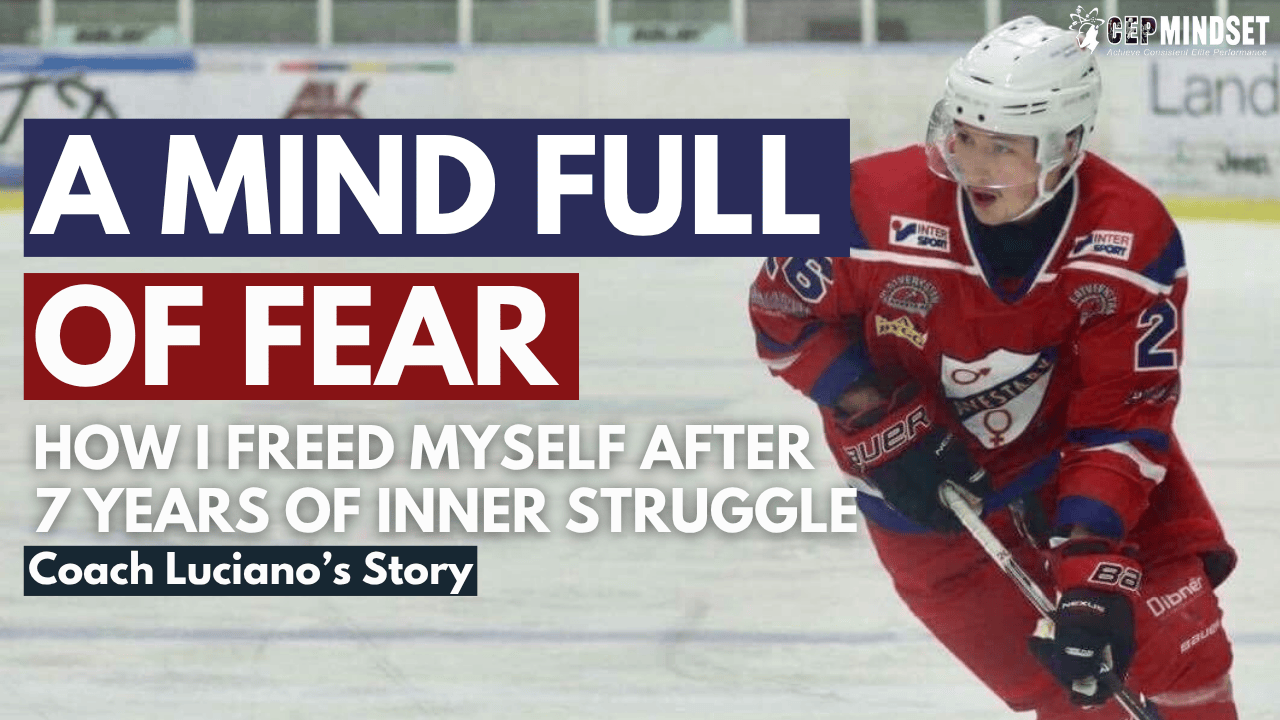
This blog was written by Coach Sara & Coach Luciano.
 Blair has over 13 years of experience as a Professional Dancer, Assistant Dance Captain & Cast Manager, as well as an additional 17 years of training. Over the last 3 decades, she has lived and experienced first hand the highest of highs & lowest of lows that come with pursuing a career in the Performing Arts.


 As a former member of McMaster University’s women’s soccer team, Emilie intimately understands the demands and challenges athletes face on and off the field. Although she encountered many challenges as a high-level athlete, particularly struggling with self-doubt and overthinking, Emilie was able to make a remarkable transformation when she began to embrace the principles of sports psychology.








 Danielle Hanus, MA
 Monica Russell, MA